

Description
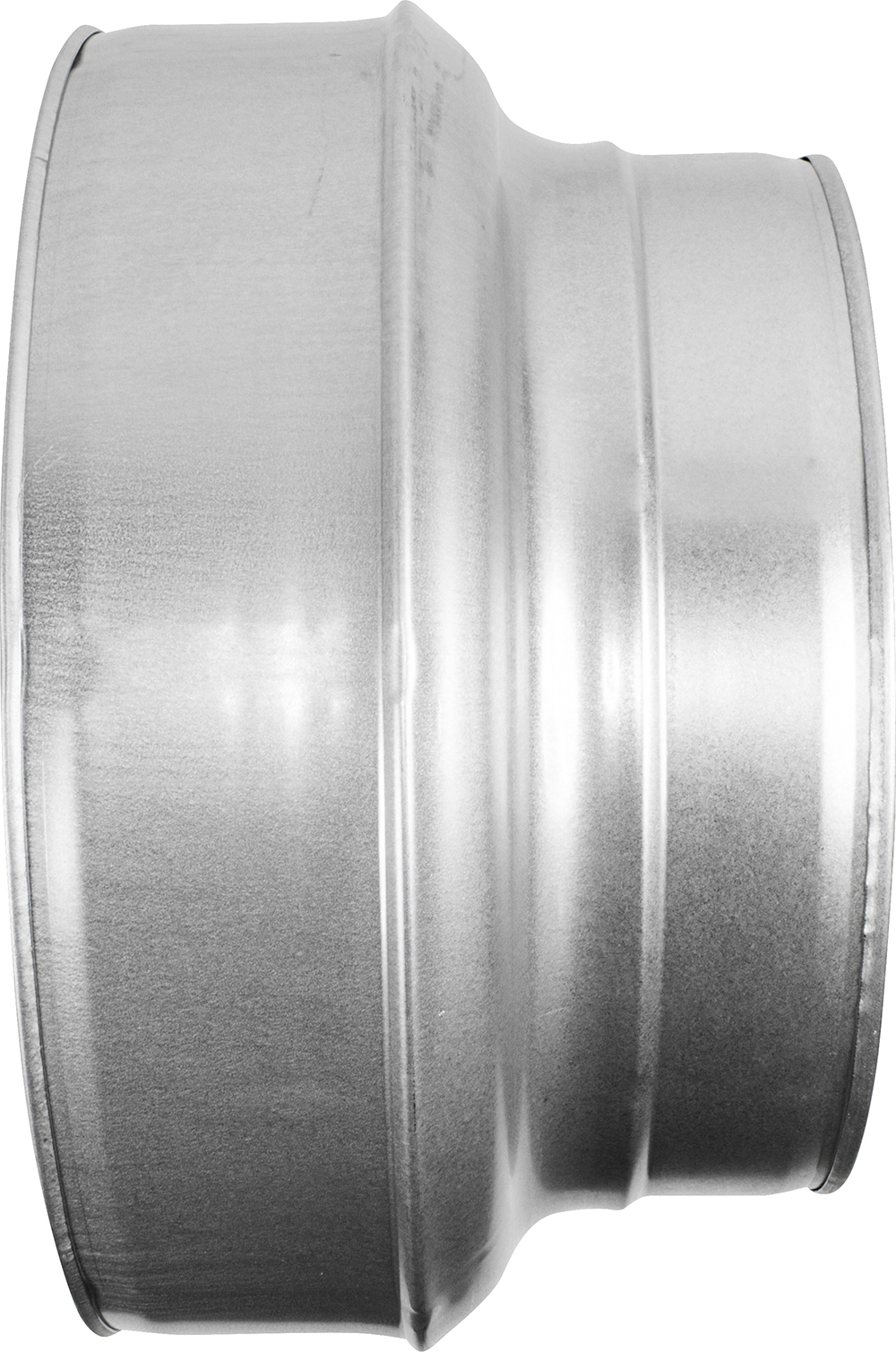
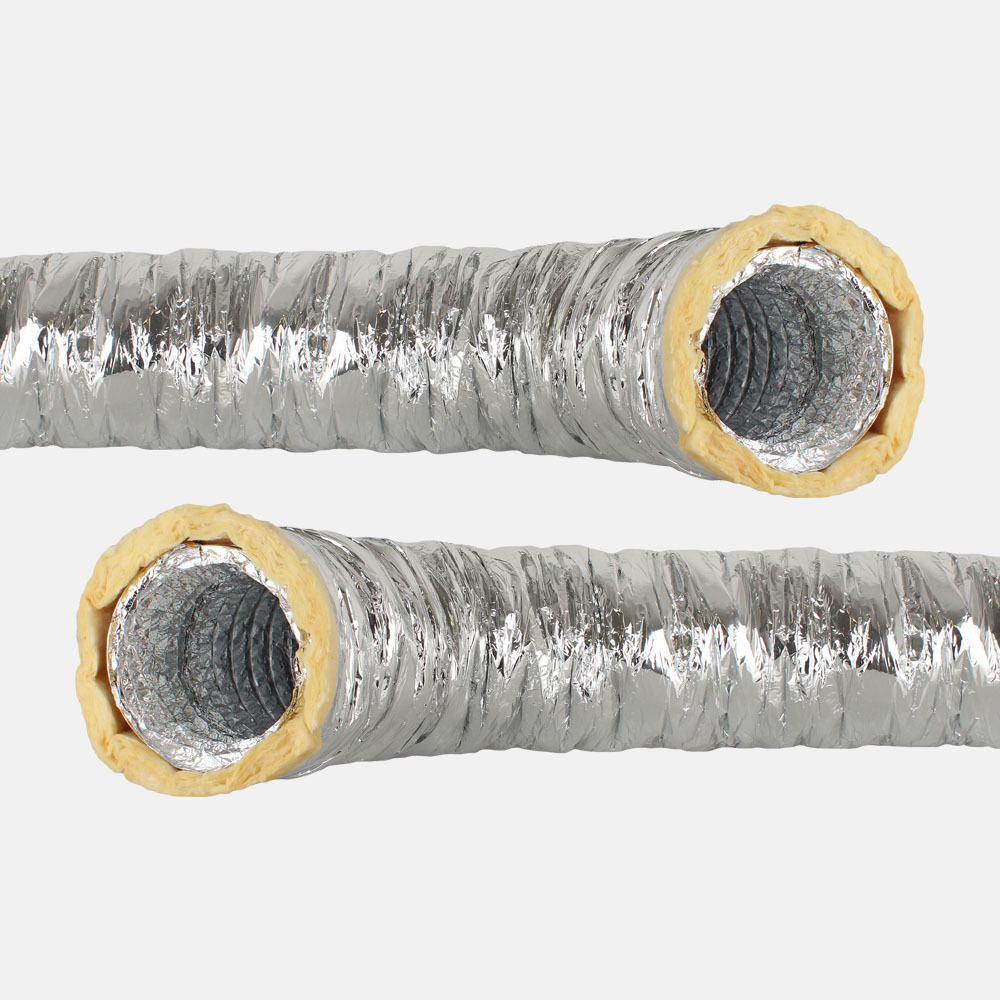
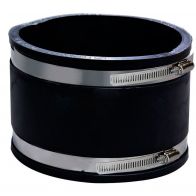
A Ducting Reducer is an essential fitting for any grow room or indoor growing setup where the airflow system uses fans, filters, and ducting of different diameters. Reducers connect two sections of circular ducting of different sizes, creating a smooth, leak-free transition that maintains system efficiency without the turbulence and air loss that occurs when ducting sizes change abruptly or are connected with improvised methods. Every diameter mismatch in a ventilation system is a potential point of air loss and noise — ducting reducers solve this cleanly and permanently.
Why Ducting Reducers Are a Critical Part of Ventilation Systems
Modern grow room ventilation systems commonly mix component sizes. An inline fan rated at 150mm may connect to a carbon filter with a 125mm flange and discharge into 150mm ducting to the exterior. A dedicated reducer at each size transition is the professional solution. Without a properly fitted reducer, growers resort to improvised solutions — duct tape around mismatched joints, crushed ducting squeezed into undersized fittings, or flexible adapters that create significant resistance and noise. These workarounds compromise airflow, reduce filter efficiency, and often fail over time as tape adhesion degrades in the warm, humid environment of a working grow room. Using quality ducting reducers at every size transition in your ventilation system is a simple, low-cost upgrade that improves the overall performance and reliability of your extraction setup. We stock a full range of reducer sizes at The Horticulture Company to cover all standard ducting diameter combinations in common use.
Selecting the Right Reducer Size
Ducting reducers are specified by their two flange diameters — for example, a 150mm-to-125mm reducer. Identify the diameter of each ducting section at the point of connection and select the reducer that matches both sizes. Standard UK grow room ducting diameters are 100mm, 125mm, 150mm, 200mm, and 250mm. Reducers are available in all common combinations of these sizes. The reducer body is formed in a smooth taper to minimise airflow resistance at the transition point — far superior to the turbulent, noisy junction produced by mismatched direct connections.



Reviews
There are no reviews yet.