

Plant leaves curling is one of the most common signs of stress in indoor growing. This guide explains the main causes — from heat and light to watering issues and nutrient problems — and shows you exactly how to fix them.
Understanding why are my plant leaves curling helps you diagnose and fix growing problems faster. Curling leaves are one of the most common signals indoor plants send when something isn’t right. The good news is that most causes are straightforward to diagnose and fix — and plants are remarkably good at bouncing back once the underlying issue is corrected.
Before making any changes, it’s worth working through the most likely causes systematically. Different types of leaf curl point to different problems, and identifying which type you’re seeing is the key to an accurate diagnosis.
How to Read the Type of Curl
The direction and location of the curl gives you important diagnostic information:
- Tips curling down (cupping): usually overfeeding or overwatering
- Tips curling up (taco-ing): usually heat stress, light stress, or wind burn
- Leaf margins curling down: often root zone issues — overwatering, low oxygen, or salt build-up
- Whole leaf curling and twisting: may indicate calcium or magnesium deficiency, or pH-related lockout
- Pale, narrow, misshapen leaves: likely nitrogen or broad nutrient deficiency
The Most Common Causes of Leaf Curl
1. Heat and Light Stress
This is the most common cause of leaf curl in indoor growing environments. When grow lights are positioned too close to the canopy, or when grow room temperatures climb above 28°C, plants respond by curling their leaves upward to reduce exposure to heat and light intensity.
Signs: leaves taco upward (edges roll inward), the uppermost leaves are most affected, and the issue is worse directly under the centre of the light.
Fix: raise your grow light by 10–15cm and check your temperature with a min/max thermometer at canopy level. Aim for 22–26°C during the light period. If temperatures are consistently high, improve your extraction or consider switching to a lower-heat LED grow light.
2. Overwatering and Overfeeding
Overwatering is one of the most common mistakes in indoor growing — almost always driven by instinct rather than observation. When the root zone stays persistently wet, it becomes starved of oxygen, roots struggle to function effectively, and the plant shows stress above ground. Overfeeding produces similar symptoms: when nutrient concentration is too high, osmotic pressure draws water out of root cells rather than into them.
Signs: leaf tips curl downward or cup at the margins; lower and middle leaves are affected as well as upper growth; growing medium stays wet for several days after watering.
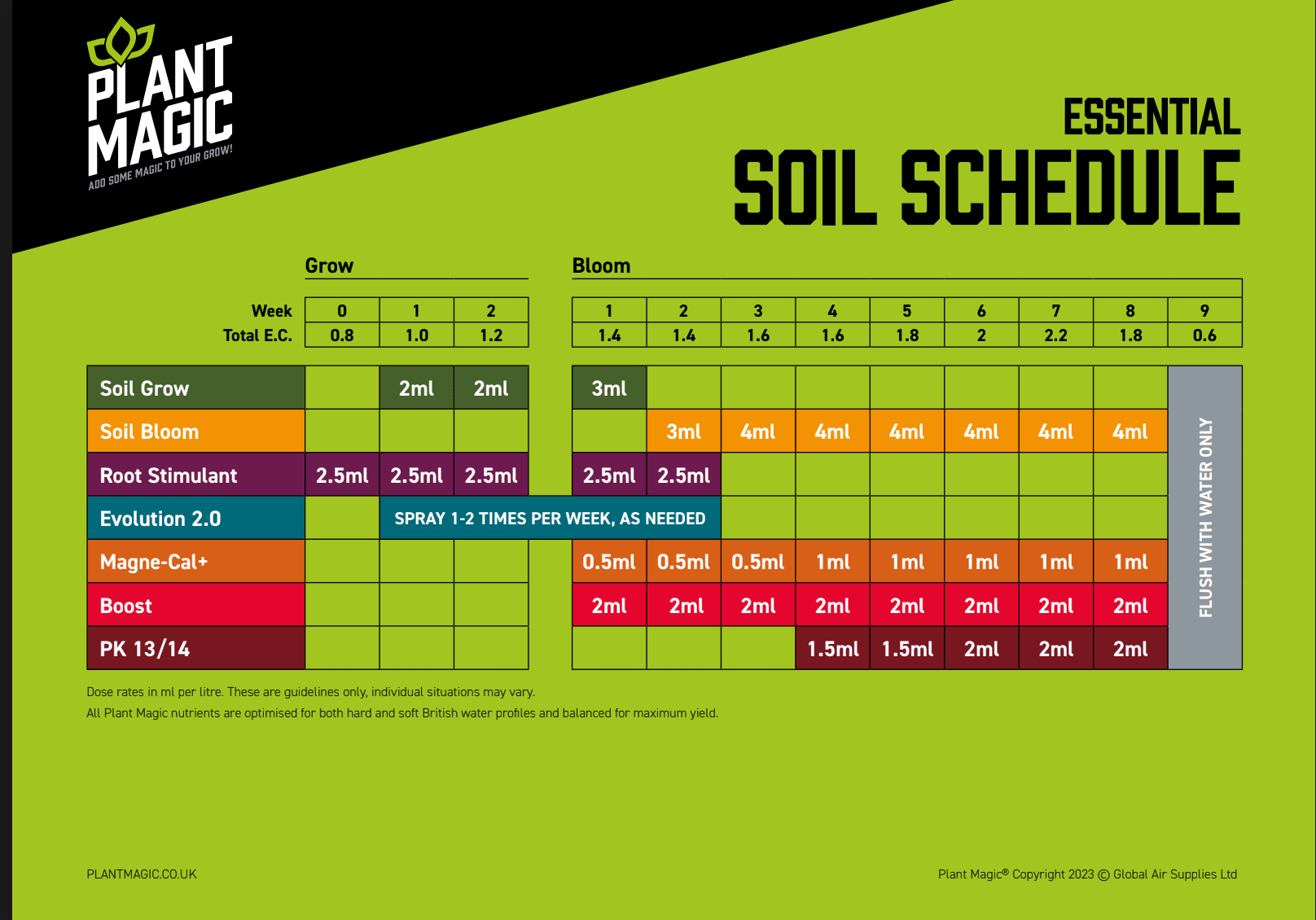
Fix: allow the growing medium to dry out significantly between waterings. A good rule of thumb for soil is to wait until the top 2–3cm is dry before watering again. For overfeeding, reduce nutrient EC and flush the growing medium with plain pH-adjusted water for one or two waterings.
3. Wind Burn from Fans
Direct, high-speed airflow from fans pointed straight at the plant canopy causes leaves to curl upward and can dry out leaf tips. This is particularly common with clip fans positioned too close to plants.
Signs: leaves curl upward and look slightly dry or crispy at the tips despite adequate watering; the effect is most pronounced on the side of the plant facing the fan.
Fix: reposition fans so they circulate air around the canopy rather than blowing directly at it. Oscillating fans should be set to their full sweep. Airflow should be gentle enough that leaves are moving slightly but not being physically pushed.
4. Nutrient Deficiency
Specific nutrient deficiencies produce distinct patterns of leaf distortion:
- Nitrogen deficiency: older lower leaves go pale and yellow; overall growth slows. Slightly increase your feeding strength.
- Calcium deficiency: new growth looks distorted or twisted; brown spots may appear on young leaves. Supplement with a calcium-magnesium product.
- Magnesium deficiency: interveinal chlorosis — yellowing between the veins on older leaves. Add Epsom salts (magnesium sulphate) to your feed at 1g per litre as a short-term fix.
Before assuming deficiency, check your pH. Nutrient lockout caused by incorrect pH is far more common than actual nutrient shortage — and adding more nutrients to a locked-out plant will make things worse.
5. Root Zone Problems (Root Rot)
Root rot (Pythium) causes leaves to wilt and droop even when the growing medium is moist. Leaf edges may curl downward as the plant struggles to transport water and nutrients from a damaged root system. Affected roots appear brown, slimy, and often have an unpleasant smell.
Fix: improve drainage and aeration in the root zone — switch to fabric pots if using solid containers, or introduce beneficial microbes like Rhizotonic or Voodoo Juice to support root health. In hydroponic systems, a dedicated root treatment can address active Pythium infections.
6. Environmental Humidity Extremes
Very low humidity causes plants to curl their leaves slightly to reduce moisture loss through transpiration. Very high humidity increases the risk of mould and can also contribute to uptake imbalances.
Target humidity ranges:
- Propagation and early vegetative growth: 65–75% RH
- Mid-vegetative growth: 55–65% RH
- Flowering stage: 40–50% RH
When Will Plants Recover?
Most plants respond to corrective action within 5–10 days. Existing curled leaves may not fully uncurl once the issue is resolved — but new growth should look healthy and indicate that the problem has been addressed. The most important thing is to make one change at a time. Adjusting multiple variables simultaneously makes it impossible to identify what’s actually causing the problem.
Frequently Asked Questions
Sudden leaf curl points to an environmental change rather than a nutrition issue. Check whether grow room temperature has spiked, a fan has shifted position, or your last watering was significantly heavier than usual. Environmental causes typically produce visible symptoms within 12–24 hours of the triggering event — identify what changed in that window first.
Foliar sprays can help with specific deficiencies — particularly calcium and magnesium — as a quick-acting supplement while you address the root cause in your feeding programme. They are not a long-term solution and should be avoided entirely during the flowering stage to prevent mould and residue on developing flowers.
Remove leaves only if they are severely damaged and blocking light from healthy growth below. Removing a few badly affected leaves is reasonable, but stripping healthy green tissue slows recovery. Plants need their remaining photosynthetic capacity to recover — focus on fixing the underlying cause rather than removing the symptoms.
Further Reading From The Horticulture Company
For more expert growing guides, our nutrients and additives guide explains how to build an effective feed programme, while our LED grow lights comparison and grow tents guide help you optimise your growing environment. The indoor growing environment guide covers temperature, humidity and CO₂, and the complete UK grow tent guide takes you through setup from scratch.
For authoritative guidance on plant nutrition and health, the Royal Horticultural Society publishes evidence-based growing advice used by professionals and hobbyists alike. Visit The Horticulture Company’s store in Kenilworth, Warwickshire, or browse our full range of products and guides online.
Shop the Products in This Guide
Browse by category: Grow Lights, Grow Media and Soils, Grow Tents and reflective sheeting, New Products, Nutrients and Additives, Plant Care Tools.