

Hydroponic nutrients go bad eventually, but knowing the shelf life and storage conditions helps you avoid wasted product and poor plant performance. This guide covers everything you need to know.
This guide answers the question: do hydroponic nutrients go bad? Read on for the full picture. This is one of the questions we get asked most often by growers who’ve bought nutrients in bulk. It’s a perfectly reasonable thing to wonder — particularly when you’re looking at a 5-litre bottle that’s been sitting on a shelf for several months.
The short answer is: no, hydroponic nutrients do not go bad in the way that food does. Most quality nutrient solutions will remain effective for years when stored correctly. Here’s exactly why — and what you should actually watch out for.
Why Hydroponic Nutrients Have Such a Long Shelf Life
Hydroponic nutrient solutions are formulated from stable mineral salts — compounds such as calcium nitrate, magnesium sulphate, potassium phosphate, and iron chelates. These salts are chemically inert in the sense that they don’t decay or break down over time the way organic matter does. The nutrients your plants need are preserved in the bottle indefinitely, as long as the solution isn’t exposed to conditions that alter the chemistry.
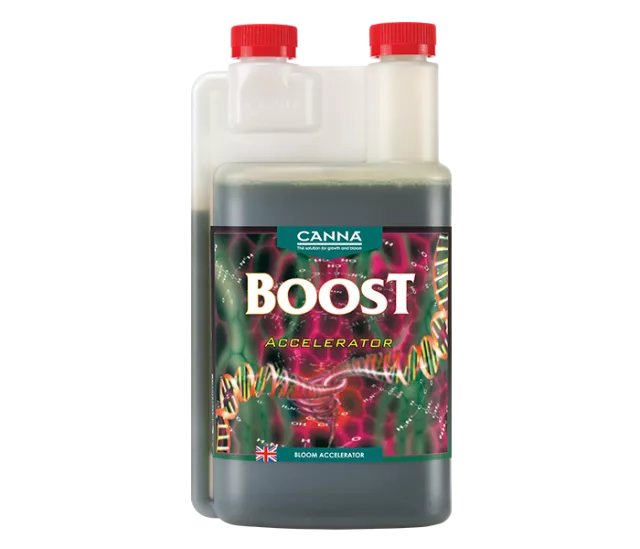
This is precisely why most reputable manufacturers — including Dutch Pro, Aptus, Canna, and Growth Technology — don’t print a ‘Best Before’ date on their bottles. It’s not an oversight; it reflects the genuine longevity of the product. Some growers we know have used nutrients that are eight to ten years old with no measurable difference in plant performance.
What About Precipitates and Cloudiness?
The most common reason growers worry about their nutrients is visual: the liquid has gone cloudy, there’s sediment at the bottom, or solid crystals have formed. This looks alarming but in almost every case it’s completely normal.
Precipitation — the formation of solids from dissolved minerals — happens naturally when:
- The bottle is stored at low temperatures
- The bottle has been left undisturbed for an extended period
- Different nutrient components interact over time in the concentrate
The fix is simple: put the lid on firmly and give the bottle a vigorous shake for 30–60 seconds. In most cases this is enough to bring the precipitates back into solution. The nutrients themselves are not damaged — they’ve simply separated out of the liquid phase temporarily.
The Real Causes of Nutrient Problems
In our experience, the genuine causes of nutrient-related plant problems are almost never old nutrients. The real culprits are:
Incorrect EC for the growth stage
Using the wrong electrical conductivity (EC) level is the single most common cause. Too high an EC causes nutrient burn — leaf tips turn brown and the plant looks scorched. Too low an EC leads to deficiency symptoms. Neither is caused by old nutrients.
pH out of range
If your reservoir pH drifts outside the ideal range (5.8–6.2 for most hydroponic systems), your plants won’t be able to absorb nutrients properly regardless of how fresh they are. This is nutrient lockout — and it’s the most common reason plants show deficiency symptoms even when feeding correctly.
Salt build-up in the growing medium
Over time, mineral salts accumulate in your growing medium and around the root zone. Regular flushing with a dedicated flush solution prevents problematic build-up. Blaming old nutrients for salt-related symptoms is a very common — and costly — mistake.
Overfeeding
Giving plants more nutrients than they can absorb is far more damaging than using old nutrients. If in doubt, feed lighter and observe how your plants respond. A healthy plant in a well-managed system rarely needs maximum-strength feeding.
How to Store Hydroponic Nutrients Properly
While nutrients don’t expire, storage conditions do matter. To get the longest possible life from your bottles:
- Store in a cool, dark place away from direct sunlight and heat sources
- Keep lids tightly sealed between uses to prevent contamination
- Avoid temperatures below 5°C — some formulations become harder to reconstitute when very cold
- Keep Part A and Part B nutrients separate until ready to mix — combined in concentrate they can react and precipitate prematurely
When Should You Actually Replace Nutrients?
There are very few situations where replacing nutrients is genuinely necessary. The main one is contamination — for example, if reservoir water has been accidentally introduced back into the concentrate bottle. This is easily avoided by always using a measuring cup or syringe rather than pouring back from your reservoir.
A Note on Organic Nutrients
Organic nutrients — such as fish emulsions, seaweed extracts, and liquid worm castings — have a shorter practical shelf life than mineral salts, particularly once opened. They don’t become harmful, but some biological activity may diminish over time. As a guideline, aim to use opened organic concentrate bottles within 12–18 months for consistent results.
Frequently Asked Questions
My bottle has gone completely solid — is it ruined?
No. Fully crystallised nutrients can almost always be brought back into solution by warming the bottle gently (never boil or microwave) and shaking thoroughly. If the original volume of liquid is still present, the nutrients are intact and usable.
Should I decant nutrients into smaller bottles for everyday use?
If you’re buying in bulk, decanting into dark glass or opaque plastic bottles is sensible — it reduces how often the main bottle is opened and minimises exposure to light and air. Make sure the decanting containers are clean, clearly labelled, and properly sealed.
Do nutrients stored in a cold garage go bad?
Cold temperatures cause precipitation but don’t degrade the nutrients. Bring the bottle to room temperature and shake well before use. Two-part formulas may need more vigorous mixing than one-part products.
For advice on nutrient selection, EC management, or troubleshooting your grow, call us on 01926 511151 or browse our full nutrients and additives range.
For official horticultural guidance and growing tips, the Royal Horticultural Society (RHS) is an excellent resource for gardeners and indoor growers.
Shop the Products in This Guide
Browse by category: Advanced Nutrients, Biobizz Nutrients, Bioponic Nutrients, Buddhas Tree Nutrients, Canadian Xpress Nutrients, Canna Nutrients.
Shop featured products: BUD CANDY, BIG BUD LIQUID, OVERDRIVE, CARBO LOAD.