
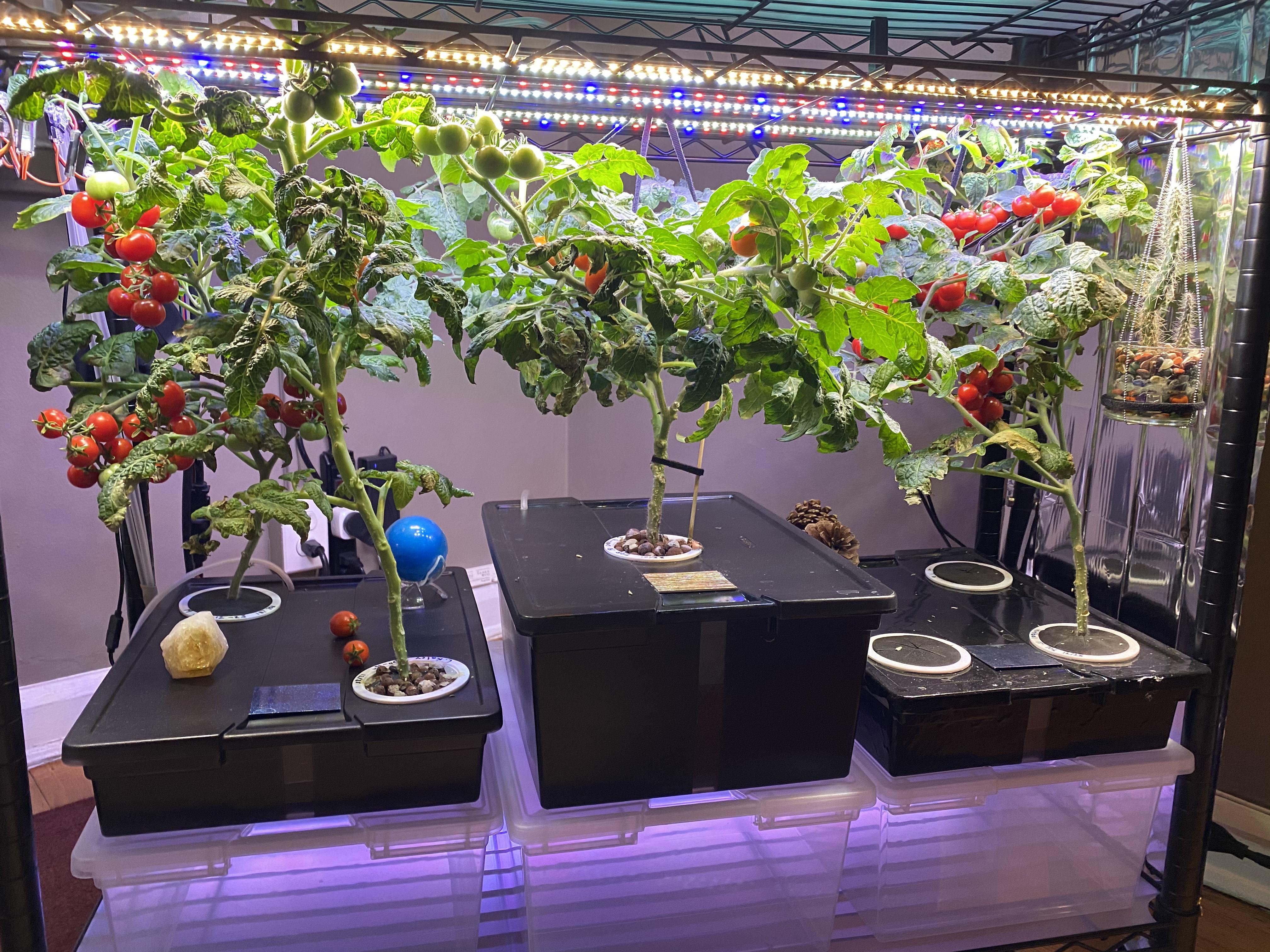
While hydroponic systems and traditional soil gardening are often viewed as opposites, many growers wonder if the high-performance fertilizers used in water-based systems can be applied to dirt. The short answer is yes; however, because hydroponic nutrients are highly concentrated and bioavailable, you must follow specific protocols to avoid damaging your plants.
This guide explores the science of cross-application, the risks of “nutrient burn,” and the best practices for achieving explosive growth in soil using hydroponic technology.
Section 1: The Core Difference Between Soil and Hydro Nutrients
To use these products successfully, you must first understand how they differ from standard garden fertilizers.
- Bioavailability: Most soil fertilizers contain “insoluble” organic matter that requires soil microbes to break it down before plants can eat it. In contrast, hydroponic nutrients are “chelated” or mineral-based, meaning they are already dissolved and ready for immediate uptake.
- Nutrient Density: Hydroponic solutions are significantly more concentrated. Because they are designed for a medium with zero nutritional value (like perlite or water), they contain a full spectrum of micro and macro-nutrients that standard soil might already possess.
- The Lack of Buffering: Soil acts as a natural buffer, holding onto nutrients and releasing them slowly. Hydroponic nutrients bypass this “safety net,” delivering a massive hit of minerals directly to the root hairs.
Section 2: The Benefits of Using Hydro Nutrients in Soil
When used correctly, integrating hydroponic technology into your soil grow can yield impressive results:
- Rapid Correction of Deficiencies: If your plants are showing signs of yellowing (chlorosis) or stunted growth, a diluted hydro-feed provides a “fast-acting” dose of nitrogen or minerals that organic composts cannot match.
- Precision Feeding: During the bloom phase, plants require specific ratios of Phosphorus and Potassium. Hydroponic “bloom boosters” allow you to target these needs with surgical precision.
- Water Solubility: These nutrients dissolve completely, making them ideal for use in automated drip irrigation systems without the risk of clogging lines with organic sediment.
Section 3: Step-by-Step Guide to Safe Application
If you decide to use your hydroponic nutrients in soil, follow these steps to ensure the safety of your root zone.
Step 1: Drastic Dilution
Never use the “full strength” dosage recommended on the bottle for a hydroponic reservoir. For soil, we recommend starting at 25% to 50% strength. Because your soil already contains some minerals, the full hydro-dose will almost certainly lead to “nutrient lockout” or root burn.
Step 2: The “Feed-Water-Water” Schedule
In hydroponics, plants are constantly bathed in nutrients. In soil, these mineral salts can build up and become toxic. To prevent this, follow a cycle:
- Day 1: Feed with diluted hydroponic solution.
- Next 2 Waterings: Use plain, pH-balanced distilled water. This practice ensures that any residual salts are flushed through the medium, preventing a dangerous rise in Electrical Conductivity (EC).
Step 3: Monitor pH and EC
Hydroponic nutrients are often more acidic than soil fertilizers. After mixing your solution, use a digital pH meter to ensure the liquid is between 6.0 and 6.5. If the solution is too acidic, it will kill the beneficial bacteria in your soil.
Section 4: Potential Risks and How to Avoid Them
While the rewards are high, the risks of using “hydro-nutes” in soil are real.
- Salt Buildup: Hydroponic fertilizers are essentially mineral salts. Over time, these can create a crust on the soil surface, preventing water penetration. Solution: Perform a “heavy flush” with 3x the volume of the pot once a month.
- Microbial Decline: Highly concentrated salts can be “salty” enough to dehydrate and kill beneficial soil microbes (mycorrhizae). Solution: Occasionally supplement your soil with an organic conditioner like Fish Sh!t to replenish the living ecosystem.
- pH Fluctuations: Because these nutrients are designed for water, they can rapidly swing the pH of your soil. Frequent testing is mandatory.
Expert Summary: Should You Do It?
Using hydroponic nutrients in soil is an excellent way to “supercharge” your garden, provided you treat them as a supplement rather than a total replacement for soil health. For heavy feeders like tomatoes, peppers, and medicinal herbs, the results can be significantly larger yields and faster growth cycles.
For a deeper dive into the chemical differences between these two worlds, the Royal Horticultural Society (RHS) provides an excellent breakdown of how nutrient ions interact with different growing media.
Watch this video for a visual comparison of plant growth using both methods: Hydroponic vs Soil Nutrients Comparison (This external resource provides a side-by-side analysis of how plants react to different feeding schedules).
Nutrients and additives we recommend for use include: