Water Heating
Maintaining optimal water temperature is often the “missing link” for growers who have mastered lighting and nutrients but still struggle with stunted growth. In hydroponic and aquatic systems, the temperature of your nutrient solution directly dictates how much oxygen your roots can hold and how efficiently they can absorb minerals.
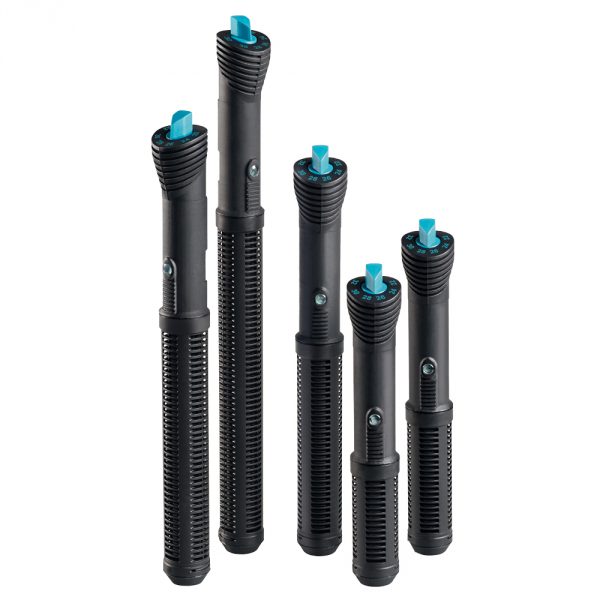
This category features a range of precision water heaters designed to stabilize your reservoir during cold spells and prevent the dreaded “nutrient lockout” caused by low root-zone temperatures.
Section 1: Why Reservoir Temperature is Critical for Root Health
While air temperature affects the leaves, the water temperature governs the engine of the plant: the roots. Most horticultural experts, including researchers from Oklahoma State University, agree that the “sweet spot” for nutrient solutions is between 18°C and 22°C (65°F – 72°F).
Oxygen Solubility: Cold water holds more dissolved oxygen (DO) than warm water. However, if the water is too cold (below 15°C), the plant’s metabolic rate drops sharply, and nutrient uptake—particularly phosphorus—slows to a crawl.
Preventing Root Shock: Sudden drops in temperature, especially during the dark cycle or winter months, can shock delicate root hairs. A dedicated water heater ensures your plants never experience these dangerous fluctuations.
Disease Suppression: Maintaining a steady, optimal temperature helps inhibit the growth of opportunistic pathogens like Pythium (root rot), which thrive when plants are stressed by temperature swings.
Section 2: How to Choose and Use a Hydroponic Water Heater
Using a water heater is straightforward, but choosing the right size is vital for safety and efficiency.
1. Sizing Your Heater
As a general rule of thumb for indoor growers, you should aim for approximately 1 watt of power per litre of water.
50L Reservoir: 50W Heater
100L Reservoir: 100W Heater
300L+ Reservoir: Consider multiple heaters placed at opposite ends to ensure uniform warmth.
2. Installation Best Practices
Submerge Fully: Most aquarium-style heaters must be fully submerged to prevent the glass from cracking. Always check the “minimum water level” line on your device.
Position Near Flow: Place your heater near a water pump or air stone. This ensures that the warmed water is circulated throughout the reservoir rather than creating a “hot spot” in one corner.
Use a Controller: For maximum precision, many professional growers use an external thermostat controller. This provides a secondary safety shut-off and more accurate digital readings than the built-in dials on basic heaters.
Section 3: Maintaining Your Equipment for Longevity
Over time, mineral salts and calcium can build up on the heating element. This “scale” acts as an insulator, making the heater work harder and eventually causing it to fail.
Monthly Cleaning: During your reservoir change, wipe the heater down with a mild citric acid solution or specialized equipment cleaner to remove any salt crust.
Safety First: Always turn off the power and let the heater cool for 15 minutes before removing it from the water. Taking a hot heater out of cold water can cause the glass to shatter due to thermal shock.
Expert Summary: The Investment in Stability
A high-quality water heater is an inexpensive insurance policy for your garden. By keeping your roots in the 18-22°C range, you ensure that your plants can process nutrients at their maximum genetic potential, leading to faster growth cycles and heavier harvests.
Learn more about environmental control: Mastering Hydroponic Water Temperature
Filters
Filter by price
Filter by rating
Filter by color
Filter by stock status
Active filters
Showing all 3 results