

Description
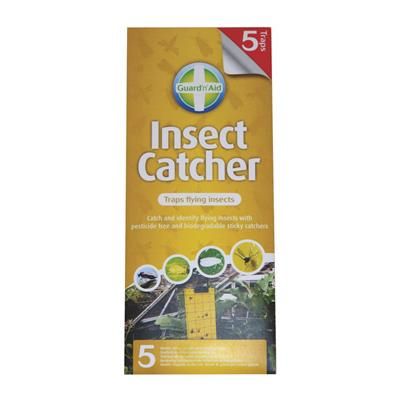
Bettergrow Extra Large Yellow Sticky Insect Traps are one of the most reliable and cost-effective tools you can keep in a grow room. This pack of 10 extra-large yellow sticky traps makes it straightforward to monitor flying pest pressure and catch adult populations before they have a chance to establish. We stock Bettergrow insect traps as an everyday essential for UK growers at every level — from single-tent hobby grows to multi-light commercial setups.
Why Yellow Sticky Insect Traps Work So Well in the Grow Room
Flying pests like fungus gnats, whitefly, thrips, and shore flies are attracted to the colour yellow. When they approach the trap, they make contact with the pressure-sensitive adhesive coating and cannot escape. Because adults are caught before they lay eggs, each trap you place actively reduces the next generation of pests as well as the current one.
The extra-large format of these Bettergrow traps gives you significantly more catching surface than standard-size sticky cards — important in grow rooms where flying pest populations can build rapidly in warm, humid conditions. Each trap in the pack is double-sided, so you get full coverage from a single card hung in the canopy.
How to Use Bettergrow Yellow Sticky Traps Effectively
Hang traps vertically at canopy level for the best results. Space them evenly across your growing area — one trap per square metre is a sensible starting point for monitoring, with higher density recommended if you already have an active infestation. Check traps weekly and replace them when the adhesive surface is covered. The number of insects on each trap also acts as a useful indicator of how severe your pest pressure is at any given time.
For best results, combine sticky traps with a regular preventative spray programme using a product like SMC+ Spidermite Control or a systemic soil drench to target larvae as well as adults. Sticky traps reduce adult numbers most effectively as part of an integrated pest management approach rather than as a standalone treatment.
Each pack contains 10 extra-large double-sided yellow sticky traps. Particularly effective in taller grow spaces and for larger-leaved crops where pest populations can build beneath the canopy before they become visible.


Reviews
There are no reviews yet.