

Description
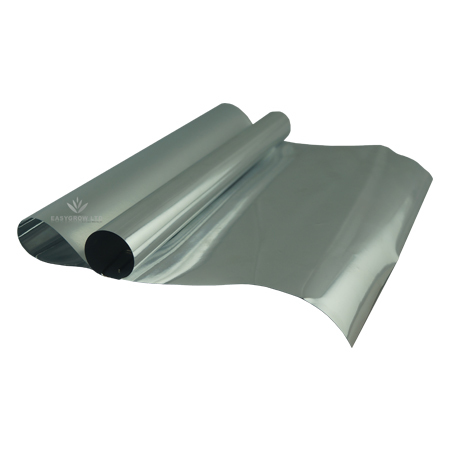
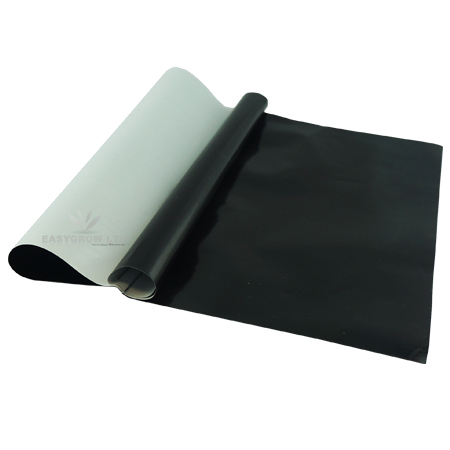
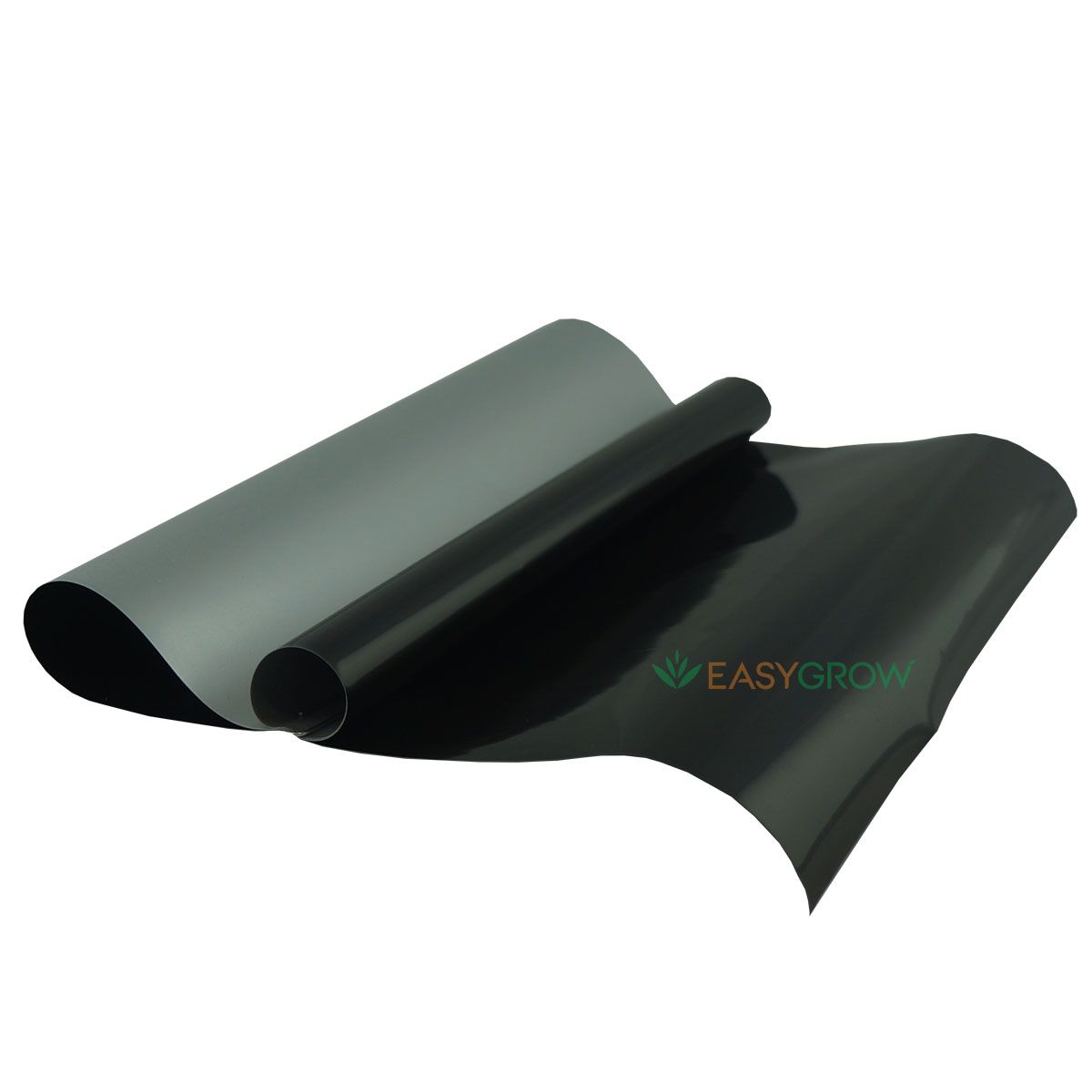
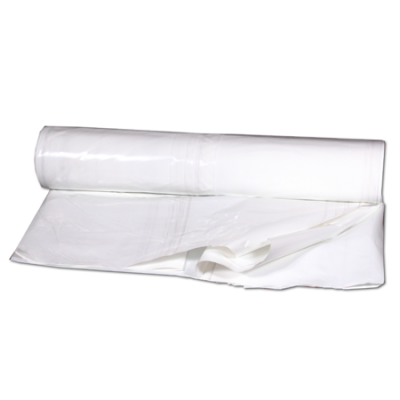
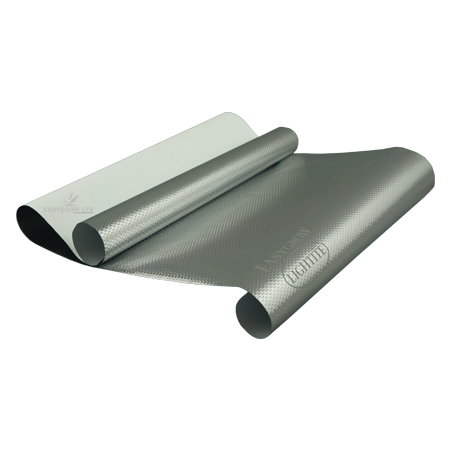
Heavy Duty Mylar 120 Micron 10 Metre is a professional-grade reflective sheeting material manufactured from 120-micron thick aluminised mylar — significantly heavier and more durable than the thin, lightweight mylar films found in consumer-grade applications. At 120-micron thickness, this mylar handles the physical demands of grow room use — the pinning, stapling, taping, and regular access that grows room walls experience across multiple growing cycles — without the tearing and puncturing that causes lighter mylar films to fail and require replacement.
Mylar Reflectivity and Its Impact on Yields
Aluminised mylar is one of the highest-reflectivity surfaces available for grow room applications. Well-maintained mylar achieves up to 95–97% reflectivity — returning nearly all photons that strike it back toward the growing space. This is significantly higher than painted white walls (85–90%) and dramatically higher than unpainted plywood, concrete, or brick that absorbs most of the light it receives. In a grow room where lights are the single largest operating cost, recovering maximum photon output through highly reflective walls is a direct efficiency gain. More photons reaching the canopy means greater photosynthetic activity, more vigorous growth, and ultimately higher yields from the same lighting investment. The 10-metre roll of 120-micron Heavy Duty Mylar provides enough material to line the walls of a substantial growing space — a 3m x 3m room requires approximately 12 linear metres of standard wall height coverage, so a single 10-metre roll covers most of one full room wall perimeter or one to two walls depending on ceiling height. At The Horticulture Company we recommend Heavy Duty Mylar for permanent grow room installations where durability and maximum reflectivity are the priority.
Installation Tips and Maintenance
Cut Heavy Duty Mylar to length with sharp scissors or a Stanley knife. Fix to walls using spray adhesive, double-sided tape, or staples — the 120-micron thickness holds fixings securely without tearing. Keep the reflective face free from fingerprints and dust — wipe gently with a damp cloth periodically to maintain peak reflectivity. Avoid creasing, which creates dead spots in the reflective surface.



Reviews
There are no reviews yet.