Clay Pebbles and Grow Stones
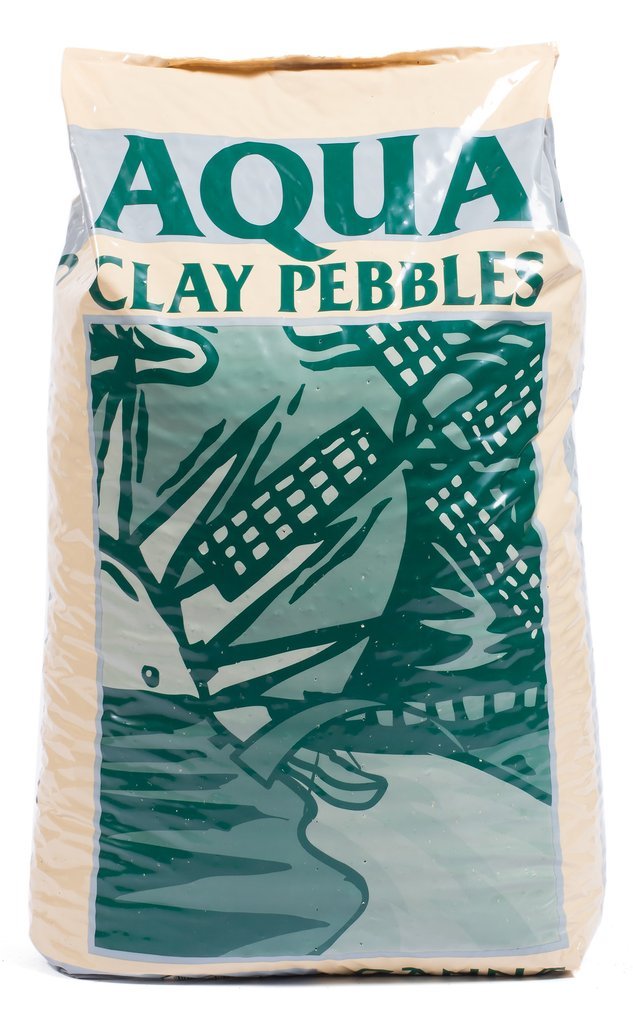
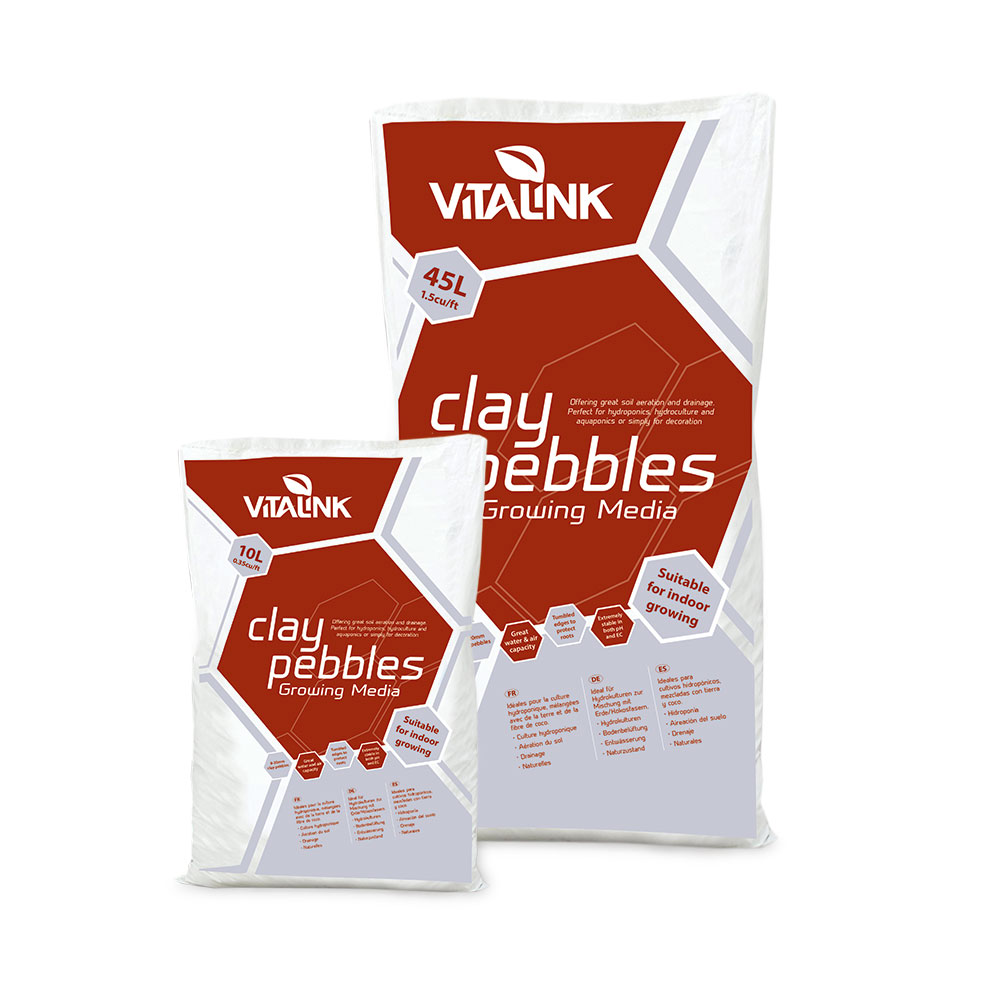
Clay pebbles — also known as LECA (Lightweight Expanded Clay Aggregate) or hydroton — are the most widely used substrate in hydroponic growing systems. Manufactured by heating natural clay to over 1000°C, the clay expands to form lightweight, porous pellets with a neutral pH and exceptional drainage characteristics. Whether you are growing in DWC, NFT, flood-and-drain, Autopot or dripper systems, clay pebbles provide the root support, oxygenation and drainage that drives explosive hydroponic growth.
Why Clay Pebbles Excel in Hydroponics
The structure of expanded clay creates an ideal balance between water retention and air space in the root zone. Each pellet holds a thin film of nutrient solution on its surface while the spaces between pellets remain air-filled — providing roots with both moisture and the oxygen they need for vigorous aerobic respiration. This combination is far more difficult to achieve with organic substrates like coco or soil, which can retain too much water if over-irrigated.
Clay pebbles are pH neutral (pH 6.5–7.0 from the manufacturer, adjustable to 5.5–6.5 with a brief acid soak), non-compacting, and completely reusable. After each grow cycle, rinse thoroughly to remove root debris, then sterilise with a dilute hydrogen peroxide solution or dedicated substrate cleaner before storing for re-use. Quality clay pebbles can be reused for 5–10 grow cycles before their structure begins to degrade.
Preparation and Use
Always rinse and pre-soak clay pebbles in pH-adjusted water (pH 5.5) for 12–24 hours before first use. This removes the fine clay dust that can clog drippers and pump screens, and pre-adjusts the surface pH to the ideal hydroponic range. For DWC, fill the net pots to the base of the lid with clay pebbles to support cuttings or seedlings while roots develop into the nutrient solution below.
We have been supplying clay pebbles to UK hydroponic growers since 2017. Browse the full range below.
Filters
Filter by price
Filter by rating
Filter by color
Filter by stock status
Active filters
Showing all 4 results