Fan Speed Controllers
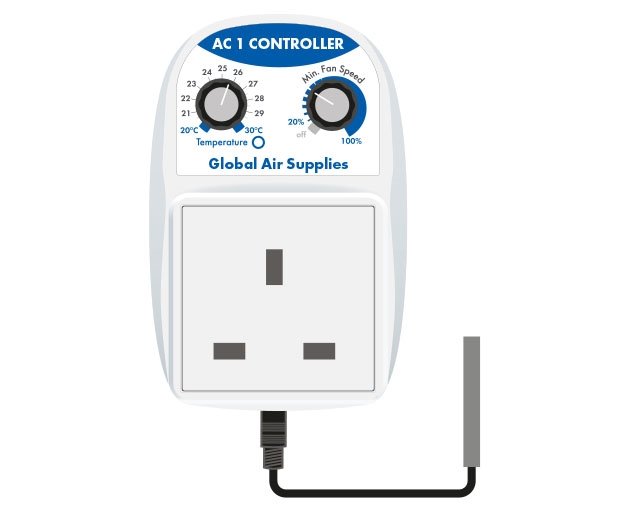
A fan speed controller gives you precise control over your extraction fan’s output — allowing you to reduce airflow in cooler conditions, minimise noise, extend fan motor life and optimise your grow room environment throughout the changing UK seasons. Rather than running your fan at full speed year-round, a speed controller allows you to match extraction output to your actual environmental needs, saving energy and reducing unnecessary wear on your equipment.
How Fan Speed Controllers Work
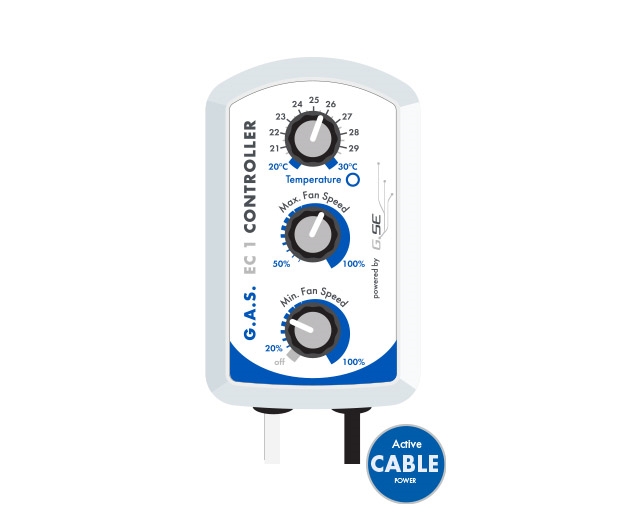
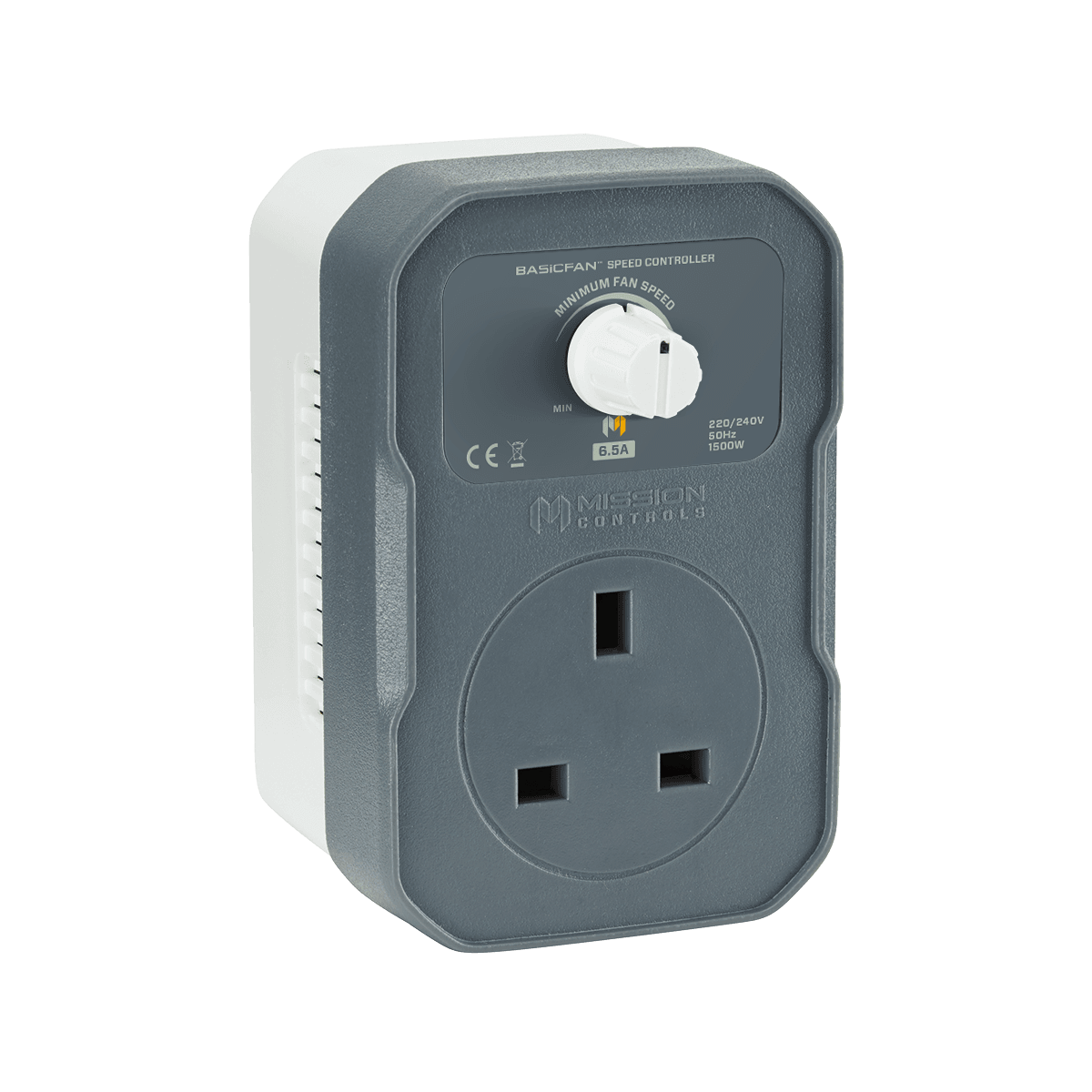
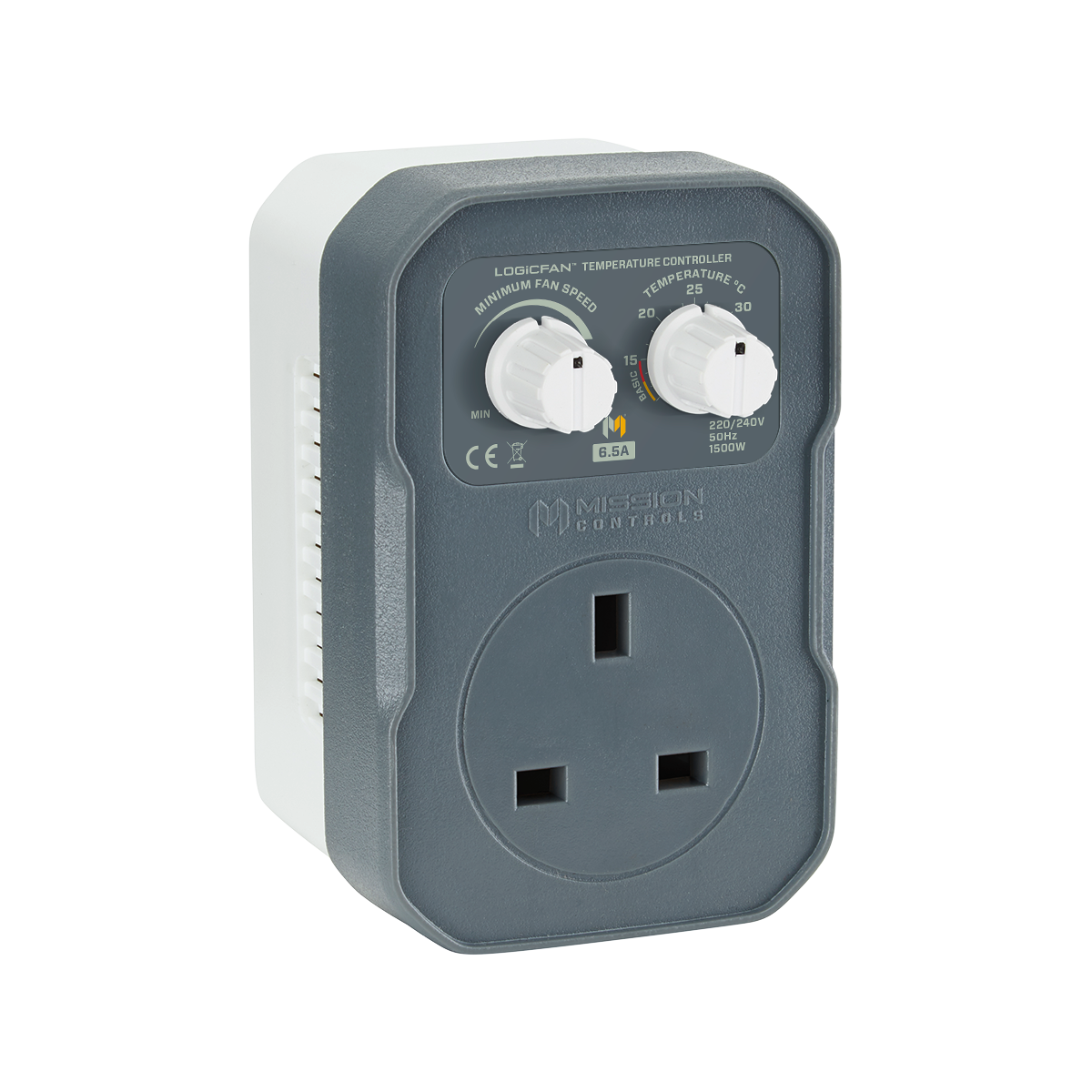
Most grow room fan speed controllers use triac-based or PWM (Pulse Width Modulation) technology to reduce the voltage supplied to the fan motor, slowing its rotation and reducing both airflow and noise. Basic single-outlet controllers provide a simple rotary dial to set fan speed manually. More advanced models include built-in temperature and humidity sensors that automatically adjust fan speed in response to changing grow room conditions — perfect for UK growers dealing with seasonal temperature swings.
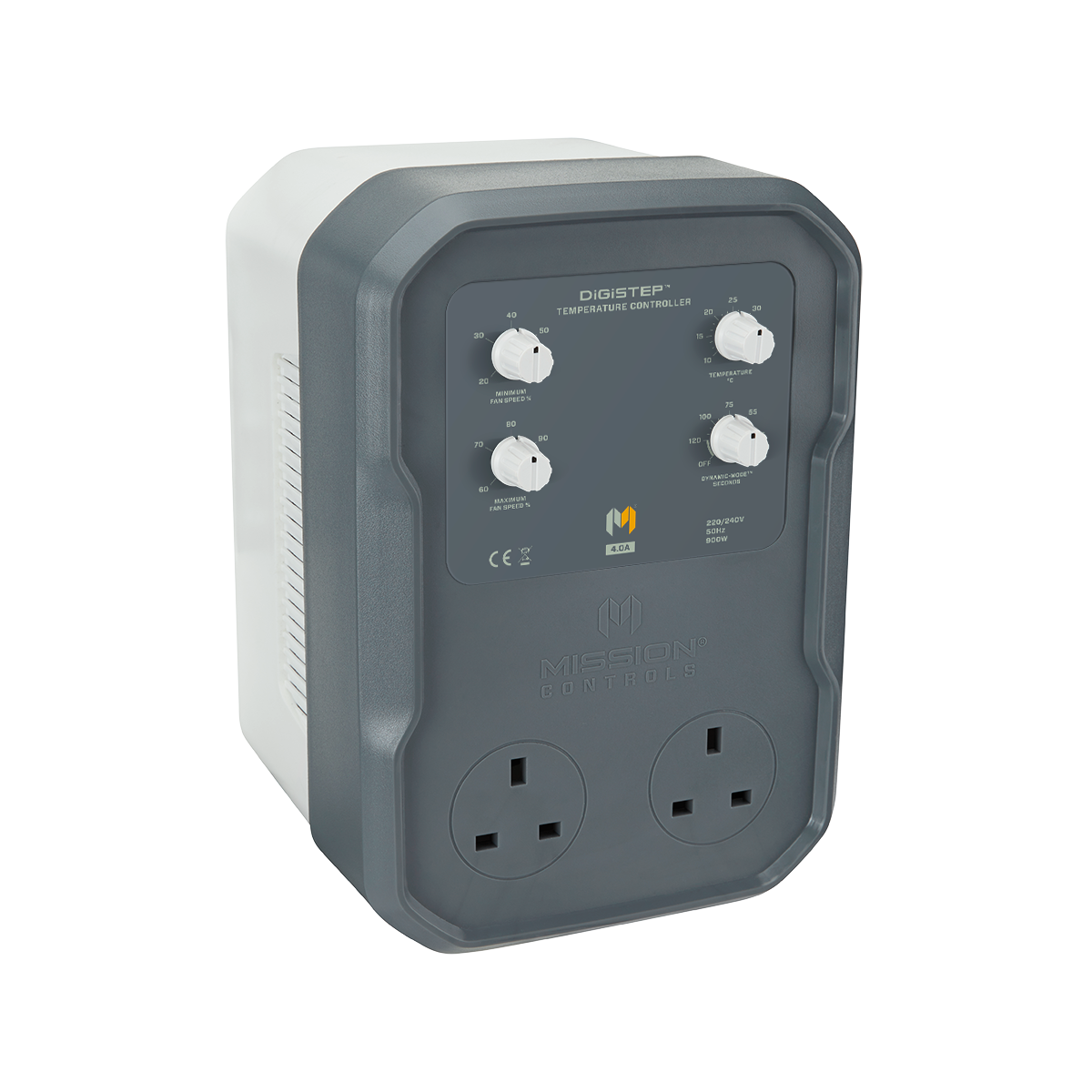
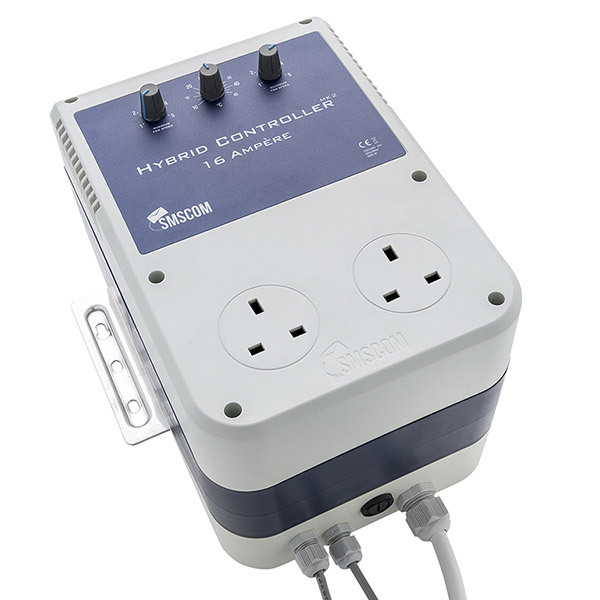
Twin-outlet controllers allow you to independently control two fans from a single unit — ideal for running separate intake and extraction fans on different speed settings, or for controlling both a main extraction fan and a booster fan in a two-stage extraction setup.
Choosing the Right Controller
Match your speed controller’s maximum wattage rating to your fan’s power consumption. Most single-room extraction fans draw 50–300W. Check the controller’s maximum load specification and ensure it exceeds your fan’s rated wattage. Not all controllers work with all fan types — EC fans (electronically commutated) require dedicated EC-compatible controllers, while standard AC fans use standard voltage controllers.
We have been helping UK growers dial in their grow room extraction since 2017. Browse our full range of fan speed controllers below and contact our team if you need sizing advice.
Filters
Filter by price
Filter by rating
Filter by color
Filter by stock status
Active filters
Showing all 10 results


MISSION CONTROLS DIGISTEP TEMPERATURE CONTROLLER
Price range: £299.95 through £349.95